Sarasota Painting Contractor Committed to Professional Service and Quality
Redesign Your Space: Professional Painting Contractor Services
Revamping a space can substantially elevate a home's appearance and value. Professional painting experts offer expertise that DIY efforts often lack. They recognize color psychology and application techniques, guaranteeing a polished finish. Determining the right contractor involves evaluating various factors, from surface preparation to paint finishes. However, the decision between working with an expert thorough guide and tackling it alone can be complex. What should homeowners emphasize when transforming their environments?
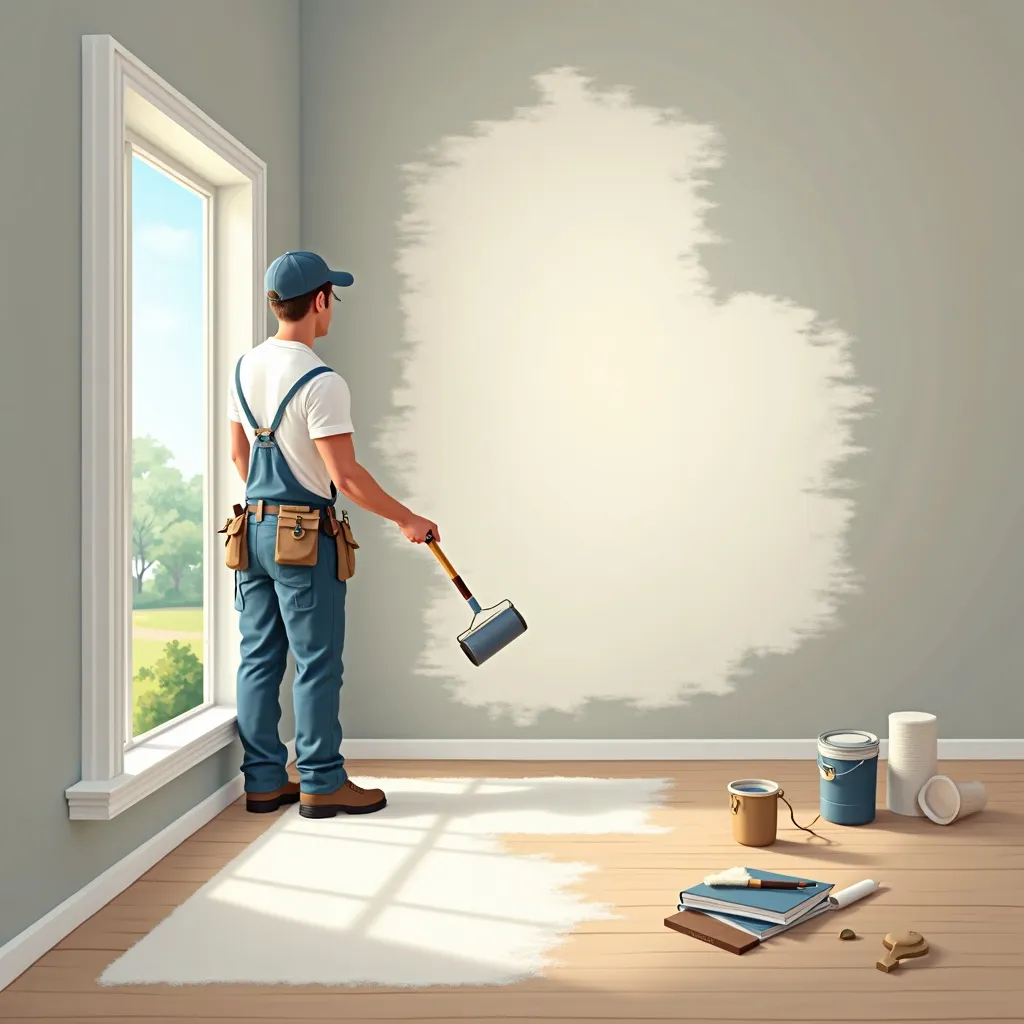
Why Choose Expert Services? Assessing DIY vs. Hiring a Contractor?
When assessing a painting project, one must consider: is it worth the time and work to undertake it independently, or should a specialist be brought in? Looking at the choices reveals obvious advantages to enlisting a professional. Professionals offer knowledge, guaranteeing excellent outcomes that can boost the visual appeal of a area. They have the required tools and equipment, lowering the risk of problems that can take place during a DIY project.
Also, contracting a professional can reduce significant time, allowing homeowners to attend to other priorities. Professionals are well-versed in surface preparation, application techniques, and finish options, which are important for a lasting outcome.
Conversely, a DIY method may attract those seeking budget savings or a personal touch. However, the potential for errors and the time investment needed may surpass the expected benefits. Ultimately, the decision is based on specific circumstances and intended results.
How to Select Hues Based on Psychology for Your Space
Picking colors for a space involves grasping the principles of psychological color theory, which can greatly affect moods and actions. Warm colors generally produce energy and warmth, while cool colors promote calmness and tranquility. By picking tones thoughtfully, individuals can create the desired mood for their setting.
Color Psychology 101
Understanding color psychology is crucial for designing spaces that evoke specific feelings and actions. Colors influence emotions, perception, and even productivity. For instance, blue is often linked to calmness and is perfect for bedrooms or offices, fostering a serene environment. In contrast, yellow can stimulate creativity and vitality, making it well-suited for creative spaces like studios or playrooms. Green symbolizes nature and balance, supporting relaxation and is effective in living areas. Red, while invigorating, can also evoke excitement or urgency, which may be appropriate for dining rooms or entertainment areas. By carefully choosing colors based on psychological effects, individuals can transform their spaces into places that correspond to their emotional and functional needs, improving overall well-being.
Hot versus Cold Tone Contrast
Color selection is crucial in creating the character of a space, with contrasting color families providing unique psychological purposes. Warm colors, such as reds, oranges, and yellows, produce feelings of dynamism, warmth, and comfort. They are often used in social spaces to foster interaction and create a welcoming atmosphere. In contrast, cool colors like blues, greens, and purples promote calmness, tranquility, and introspection. These hues are frequently chosen for bedrooms and offices, where relaxation and focus are desired. Understanding the emotional impact of these color families permits individuals to make informed choices, ensuring that the selected palette aligns with the intended mood and functionality of the space.
Shaping your Desired Atmosphere
While individual likes often guides color selection, the psychological effects of diverse colors can markedly influence the environment of a room. Warm colors such as red and yellow evoke feelings of heat and liveliness, making them appropriate for gathering places like living rooms or kitchens. Conversely, cooler shades like blue and green foster calmness and serenity, making them suitable for bedrooms or study spaces. Muted colors provide adaptability, creating a balanced backdrop that can adjust to various moods. Understanding these emotional influences helps people make informed choices, ensuring their environment shows the wanted mood. By working with a licensed painting expert, one can effectively implement these color strategies, upgrading the overall atmosphere within the space.
Types of Paint Finishes and Their Best Uses
Grasping the different types of paint finishes is vital for obtaining the intended aesthetic and utility in a space. Matte finishes provide a subtle elegance, ideal for low-traffic areas, while glossy finishes present a striking, reflective quality appropriate for high-impact surfaces. Satin finishes combine elements of both, making them versatile choices for diverse applications.
Matte Finish Merits
With its understated grace and versatility, a matte finish captivates homeowners and designers alike. Providing a soft, matte surface, this type of paint can enhance the ambiance of any room. It can cover imperfections, making it a popular choice for walls and ceilings and creating a sophisticated backdrop for diverse decor styles. In addition, matte finishes are frequently preferred for their rich color depth, resulting in a warm and inviting atmosphere. They prove especially useful in low-traffic areas since they are less prone to display scuffs or fingerprints. While not as durable as glossier options, modern formulations offer improved washability, making matte finishes a practical choice for those seeking both aesthetic appeal and functional performance in their spaces.
Glossy Finish Applications
Glossy finishes supply a striking contrast to matte options, bringing a polished gleam that can elevate both decorative and practical aspects of a space. These finishes are particularly well-suited for areas inclined toward moisture, such as kitchens and bathrooms, due to their resistance to stains and easy cleaning. In addition, glossy paints reflect light, which can create an illusion of a roomier space and enhance natural lighting. They are optimal for highlighting architectural details or accent walls, bestowing depth and dimension. Additionally, glossy finishes can lend a modern touch to furniture and cabinetry, making them a preferred choice for contemporary designs. Overall, the utilization of glossy finishes can greatly transform the atmosphere of any room.
Satin Look Versatility
Satin finishes offer a harmonious balance between matte and glossy alternatives, turning them a multi-use option for various applications. This finish is ideal for high-traffic areas such as hallways and living rooms, where durability is essential. It resists stains and is easy to clean, making it suitable for kitchens and bathrooms as well. The soft sheen of satin paint gently reflects light, enhancing the overall look without being overly shiny. Additionally, it is effective on both walls and trim, providing a cohesive look throughout a space. Professional painting contractors often endorse satin finishes for their skill in hiding blemishes while adding a subtle depth to color, making them a popular choice among homeowners seeking a sleek yet warm look.
Why Surface Preparation Is Critical Prior to Painting
Although many may overlook it, surface readiness is an crucial step in accomplishing a successful painting project. Adequately preparing surfaces guarantees that paint adheres effectively, improving durability and aesthetics. This process typically involves cleaning, sanding, and fixing surfaces to eliminate imperfections.
Dust, grease, and old paint can obstruct new layers from bonding correctly, causing peeling and uneven finishes. Additionally, rough surfaces can cause the paint to break down prematurely, shortening its lifespan.
What Transpires Throughout a Professional Painting Project?
A professional paint job includes a sequence of well-defined steps that produce a superior finish. To begin, the contractor assesses the space, marking any necessary repairs or surface preparations. This includes patching holes, sanding rough areas, and washing areas to achieve maximal adhesion. After the preparation is complete, the team uses floor coverings and tape to shield furniture and trim, establishing a orderly working environment.
Next, primer is often applied to enhance the depth of color and long-lasting quality. After the primer has dried, the designated paint is exactly applied, typically with brushes, rollers, or sprayers, depending on the surface and the intended finish. Several applications may be needed for even coverage. Finally, the contractor performs a careful inspection, touching up any imperfections. Once the job is completed, the workspace is cleaned, and the homeowner is recommended on care and maintenance, ensuring the newly painted space appears spotless and lasts for years.
How Much Does Professional Paint Job Expense?
What amount should one budget in professional painting services? The expense of retaining a painting professional can vary greatly based on several factors, encompassing the square footage being painted, the type of paint used, and the difficulty level of the work. On average, homeowners might pay between $2 to $6 per square foot for interior painting. For outdoor work, costs can range from $1.50 to $4 per square foot, depending on site readiness and accessibility factors.
Additional costs may originate from custom finishing or detailed labor, including trim or cabinetry. Labor costs generally represent a substantial share of the overall expense, reflecting the experience and expertise of the contractor. Furthermore, gathering several estimates can deliver a better grasp of the market rates and help in making an informed choice. In conclusion, engaging professional painters can enhance the aesthetic quality and value of a home.
Advice for Looking After Your Newly Painted Walls and Surfaces
Protecting newly painted walls and surfaces is necessary for preserving their appearance and durability. Regular care must be a priority; mild soap and water will successfully remove dust and stains without damaging the paint. Homeowners should refrain from abrasive cleaning solutions, as they can scratch or diminish the finish.
It is also advantageous to regularly examine walls for evidence of deterioration or harm. Addressing issues like scuffs or peeling promptly can prevent further deterioration. When refreshing the paint, precisely matching the color is crucial for seamless repairs.
Controlling the environment is highly important; preserving moderate humidity levels and temperature stops paint from deteriorating or losing color. Additionally, applying furniture pads can protect walls from scratches resulting from moving furniture. By implementing these tips, homeowners can guarantee their painted surfaces remain vibrant and fresh for years to come.
Frequently Posed Questions
What Timespan Does a Conventional Expert Painting Undertaking Usually Take?
A typical commercial paint undertaking typically requires one to five days, depending on factors such as job magnitude, surface preparation, and drying time. Larger or more complex jobs could prolong the duration considerably.
Do Skilled Painters Offer Their Own Materials and Gear?
Yes, professional painters generally supply their own supplies and gear. This assures quality and efficiency, allowing them to complete projects competently while using the appropriate implements and materials required for a successful painting undertaking.
Can I stay in My Home During the painting work?
Yes, homeowners can normally remain in their homes during the painting work. However, they should be ready for some interference, such as loud sounds and odors, and may need to avoid specific areas for safety and convenience.
How Should I Get My Area Ready Ahead of Painters Come?
Prior to painter coming, one must prepare the space through eliminating furniture, covering drop cloths across floors, cleaning surfaces, stabilizing fragile items, and guaranteeing adequate ventilation. These steps allow for a smoother painting process and protect belongings.
What eco-friendly coating options are provided by contractors?
Yes, numerous construction professionals offer green paint selections. These paints are low in volatile organic compounds (VOCs) and produced from natural ingredients, providing a healthier environment. Homeowners are encouraged to ask about these sustainable choices during meetings.